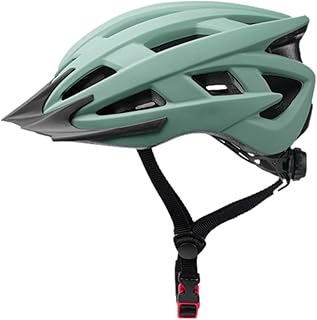
Choosing Cycle Helmets for Safety and Style in 2026
With the rise in cycling popularity across the UK, choosing the right cycle helmet has never been more crucial. In 2026, cyclists not only seek safety but also wish to express their style through their headgear. This blog aims to guide you through the essentials of selecting a cycle helmet that meets both safety standards and personal aesthetic preferences.
Understanding Safety Standards
Safety is paramount when it comes to cycling. In the UK, helmets must meet specific safety standards, such as the European standard EN 1078. This ensures that the helmet has been tested for impact resistance and retains structural integrity during an accident. In 2026, it is advisable to look for helmets that comply with these standards, as well as those that may have additional certifications, like the CPSC or ASTM. These certifications indicate that the helmet has undergone rigorous testing to ensure it can withstand various types of impacts.
Materials and Construction
The materials used in helmet construction play a significant role in both safety and weight. Most modern helmets are made from expanded polystyrene, which is lightweight and provides excellent shock absorption. Additionally, many high-end models incorporate advanced materials such as carbon fibre or Kevlar, which can enhance protection while reducing weight. When selecting a helmet in 2026, consider the trade-off between weight and protection, and choose a model that feels comfortable without compromising on safety.
People Also Look For:
- Bike Helmet, Adjustable Cycling Helmet with USB Rechargeable LED Light, Lightweight Bicycle Helmet for Adults, Breathable Mountain...
- Victgoal Bike Helmet for Men Women with Led Light Detachable Magnetic Goggles Visor Mountain & Road Bicycle Helmets Adjustable Siz...
- Lumos Ultra Smart Bike Helmet | Customizable Front and Back LED Lights with Turn Signals | Road Bicycle Helmets for Adults: Men, W...
- Findway Pro Bike Helmet for Adults,[2025 Newest] Adjustable Cycling Helmet for Men & Women [Safety Certified] Bicycle Helmet for C...
- Victgoal Bike Helmet with USB Rechargeable LED Light Removable Magnetic Goggles Visor Breathable Mountain Bicycle Helmet for Unise...
Fit and Comfort
A well-fitting helmet is essential for maximum protection. It should sit snugly on your head without being too tight. Many brands now offer adjustable systems that allow you to customise the fit, ensuring the helmet remains securely in place while riding. In 2026, look for features such as padded chin straps, moisture-wicking liners, and ventilation systems that enhance comfort during long rides. A helmet that is comfortable to wear will encourage more consistent cycling, contributing to overall safety.
Style and Design
While safety is the priority, style cannot be overlooked. The market in 2026 is flooded with options that cater to a variety of tastes. From sleek, aerodynamic designs to retro-inspired helmets, there is something for everyone. Vibrant colours and unique patterns allow cyclists to express their personality, while some brands even offer customisable options. When choosing a helmet, consider how it complements your cycling gear and personal style, ensuring that you feel confident and stylish while on the road.
Additional Features
Modern helmets come with a range of additional features that enhance both safety and convenience. Integrated lights are becoming increasingly common, providing visibility during low-light conditions. Some helmets even feature built-in communication systems that allow for easy interaction with fellow cyclists or navigation assistance. In 2026, consider whether these features align with your cycling habits and whether they can enhance your overall experience.
Budget Considerations
The price of cycle helmets can vary significantly. While it might be tempting to opt for the cheapest option, investing in a quality helmet is crucial for ensuring safety. In 2026, expect to spend anywhere from £30 for basic models to £150 or more for advanced helmets with additional features. Always prioritise safety, but also seek a helmet that offers the best value for your budget. Remember, a higher price tag often correlates with better materials and safety features, making it a worthwhile investment.